
The Impact of Sun Exposure on Moles
The Connection Between Sun Exposure and Moles
Just about every person has at least one mole, and some people have 40 to 50 moles on their bodies! Interestingly, only about one percent of people are born with moles, so how did the rest of us get them? Part of it is genetic, with predisposition to moles running in families. A big part of developing moles, though, is the result of UV ray exposure. Is sun exposure causing moles on your skin? Is it exacerbating moles that you already have?
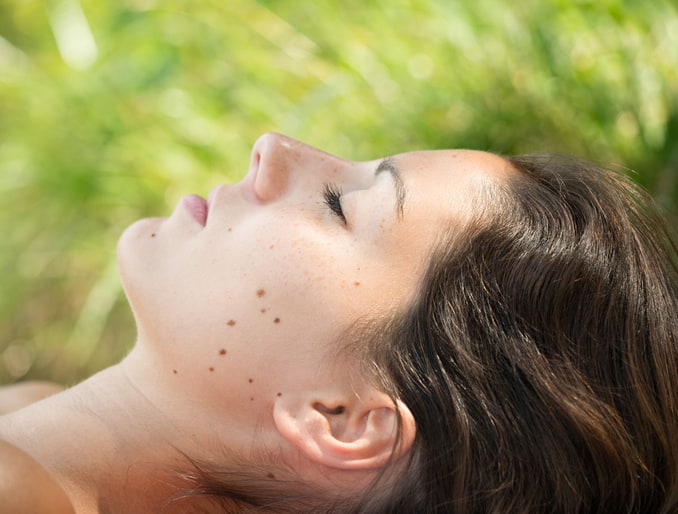
The Sun’s Effect on Moles: Are Moles Affected by the Sun? How Vital is Protecting Moles from the Sun?
Moles can actually be caused by sun exposure, through the same process that creates a tan. When skin is exposed to the ultraviolet rays of the sun, melanocytes within the skin produce additional pigment. That pigment is meant to keep the skin safe from further sun exposure, but it presents in different ways in different people. For some, the extra pigment turns into an even suntan. For others, especially children and fair-skinned people, the pigment clusters and creates moles. Additionally, the sun can change existing moles, as well as creating new moles. Over the years, sun exposure can build up and make a mole flatter or bumpier, darker or paler. Protecting the moles on your skin from sun exposure is important, because it can keep them from growing into malignant melanoma, a dangerous form of skin cancer.
How to Protect Moles from UV Rays
How do you keep moles safe from the UV rays of the sun? Start by applying sunscreen liberally whenever you will be exposed to the sun. Stay in the shade when the sun is at its peak, and wear sun-protective clothing like long-sleeved shirts and wide-brimmed hats. Additionally, steer clear of sunbeds. Sunbeds are not safer than being out in the sun, and they do expose your skin to UV rays. Especially if you already have moles, they are to be avoided.
Does Your Mole Require Professional Attention?
When a mole on your skin changes, it doesn’t necessarily mean that it has become cancerous. However, it is a good idea to have moles checked if they have changed, because if they are dangerous, they will need to be removed. How do you know if a mole is dangerous? To be on the safe side, have regular skin screenings, so that your doctor can catch any questionable spots early, when they are treatable. In between screenings, keep an eye on your moles, self-inspecting to make sure they’re stable. Healthy moles are uniform in appearance, so remember the ABCDEs of mole changes.
- A stands for Asymmetry. If your mole is asymmetrical, and the two halves do not match, it could be a melanoma.
- B means Border. The borders of healthy moles are typically smooth and eve. The borders of a melanoma can be irregular, notched, ragged, or blurred.
- C is the Color of the mole. Healthy moles tend to have a uniform color, either brown, tan, or a similar flesh tone. If a mole has multiple colors, or if it’s a strange color like blue, red, or white, it needs to be seen by a doctor.
- D refers to Diameter. While this is not a definitive indicator, many melanomas are larger than a pencil eraser.
- E stands for Evolving, which moles should not do. If you have a mole that’s changing, make an appointment with your dermatologist without delay. Moles should stay the same, without growing, changing colors, bleeding, itching, crusting, and so on.
Once your dermatologist has examined your mole, a biopsy may be necessary. If the biopsy suggests melanoma, the mole must be removed. Melanoma is extremely serious, and kills thousands of people each year, so it’s vital that a growth of this kind of cancer be removed. However, you can always have a mole removed just because it doesn’t match your aesthetic sensibilities.
Talk to Divine Dermatology About Treatment for Moles
When you need skincare help or advice, including examination of and treatment for moles, Divine Dermatology and Surgical Institute, Fort Collins’ best name in dermatology, can help. Providing the highest quality care and the most advanced techniques available, in a relaxed and comfortable atmosphere, our experienced team works under the leadership of the founder of the practice, Dr. Jennifer Divine, who is board-certified by the American Board of Dermatology and a member of the American Academy of Dermatology and the American College of Mohs Surgery. By tailoring treatment plans to meet each patient’s unique needs, and providing personalized attention, we’re able to provide effective care for a wide range of conditions. We treat skin, hair, and nail conditions and provide medical, cosmetic, and surgical services, providing comprehensive for people of all ages. Our expert skin cancer care includes diagnosis and tumor removal using standard surgical techniques and Mohs micrographic surgery, and we treat both common and rare skin conditions, as well as offering a wide array of cosmetic and aesthetic procedures. Reach out to us to schedule an appointment, call us at 970-399-7744 or contact us through our website.
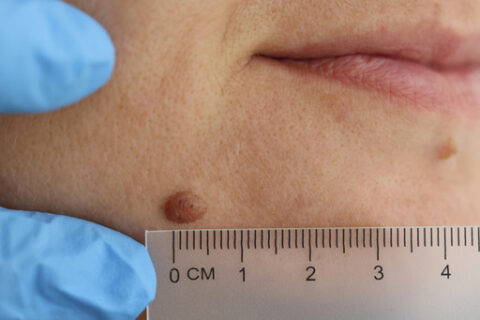
Understanding Different Skin Growths
As you are giving your skin a self-inspection, you may come across unwanted skin growths. This isn’t unusual,…
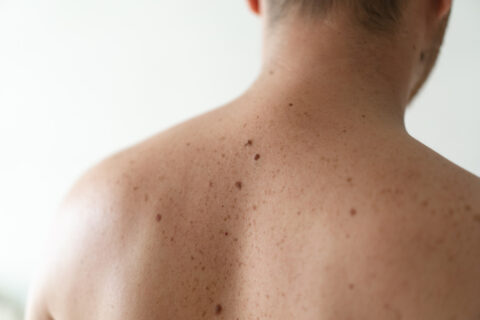
“I have always heard that I should be worried about the moles that are on my skin, but should I really be concerned about the moles on my…